
Fair prices. Fast approvals. Your health always comes first. Get Qualified for a Ohio Medical Marijuana Card Today.
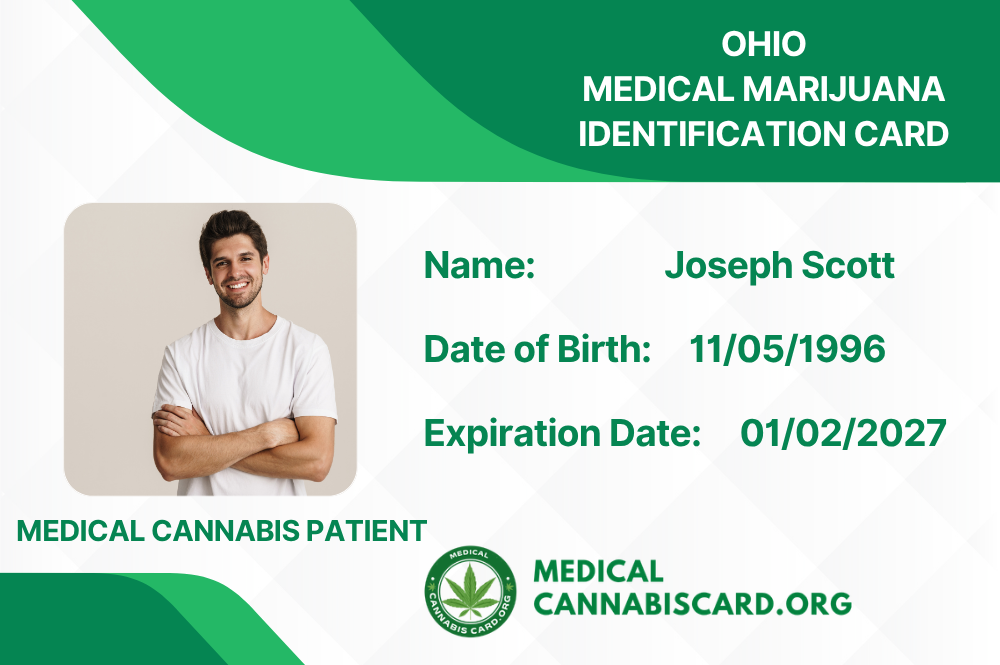
Living in the Buckeye State means dealing with all sorts of changes, from the unpredictable lake-effect snow in Cleveland to the humid, sweltering summers along the Ohio River in Cincinnati. Just as our weather changes, so does the way we manage our health. If you are struggling with a chronic health issue, you might be wondering about your options. Understanding the qualifying conditions for Medical Card in Ohio 2026 is the first step toward finding a natural path to relief.
Whether you are living in a historic Victorian in Columbus’s German Village or a modern ranch in the suburbs of Dayton, help is closer than you think.
Even though Ohio has seen changes in its laws regarding adult-use cannabis, holding a medical marijuana card remains the gold standard for patients. Many residents in cities like Akron and Toledo have found that the medical program offers more than just access—it offers professional guidance and significant cost savings.
As we look at the qualifying conditions for Medical Card in Ohio 2026, it is important to remember that medical patients often pay lower taxes than recreational users. For those on a fixed income living in the quiet bungalows of Parma or the active communities of Lakewood, these savings add up quickly.
Furthermore, medical patients have access to higher potency limits and personalized advice from pharmacists at the dispensary.
The State Medical Board of Ohio regularly reviews petitions to add new conditions. As of 2026, the list is comprehensive, covering a wide range of physical and mental health challenges.
The current qualifying conditions for Medical Card in Ohio 2026 include:
This is the most common reason Ohioans seek a medical card. Whether it is back pain from years of working in the manufacturing plants of Youngstown or joint pain made worse by the damp winters in Mansfield, chronic pain is life-altering. Ohio law defines this as pain that has either resisted conventional treatments or is so severe it limits daily life.
Ohio is home to a large population of veterans, particularly near Wright-Patterson Air Force Base in Dayton. PTSD is a serious condition that can affect anyone who has experienced trauma. Many patients find that specific strains of medical cannabis help them manage anxiety and sleep better at night.
The humid Ohio summers can sometimes exacerbate inflammatory issues. Conditions like Crohn’s and the recently added IBS (Irritable Bowel Syndrome) are specifically listed. Patients living in the bustling North Short of Columbus or the hilly terrain of Athens often find that medical marijuana helps settle their digestive systems.
Let’s look at “Jim,” a 62-year-old retired factory worker from Akron. Jim lives in a modest split-level home and has struggled with severe arthritis and chronic back pain for a decade. The cold, grey winters in Northeast Ohio usually meant Jim spent months indoors, unable to enjoy walks at Stan Hywet Hall & Gardens.
Jim wasn’t sure if his back pain met the qualifying conditions for Medical Card in Ohio 2026. After an online consultation, he learned that his documented “intractable pain” was a perfect fit. Today, Jim uses a combination of tinctures and topical creams. He saved over $400 in his first year on taxes alone compared to what he would have spent at a recreational shop. More importantly, he is back to walking his dog in the local parks, regardless of the weather.
The state has made it easier than ever to get your recommendation. You no longer have to navigate the traffic on I-71 or find parking in downtown Cincinnati.
You might ask, “If I can buy cannabis without a card, why bother?” In 2026, the benefits for medical patients are even clearer:
Ohio is a state of hard workers and resilient families. From the rolling hills of the Hocking Hills to the busy streets of the Short North, we don’t let health issues hold us back. If you have one of the qualifying conditions for Medical Card in Ohio 2026, you have a legal right to seek a treatment that works for you.
Don’t let another season of Ohio weather go by while you suffer in silence. Whether it’s the humidity of July or the slush of February, you deserve to feel comfortable in your own home. Check the list, talk to a doctor, and see if this path is right for your health journey.
While general anxiety is not on the list, PTSD is. Many people with severe anxiety find that their symptoms are actually related to undiagnosed PTSD. A doctor can help determine this during your visit.
The State Medical Board accepts petitions every year to add new conditions. If your condition isn’t there, keep an eye on the official OMMCP updates.
The state has worked to lower fees recently. There is a fee for the doctor’s evaluation and a separate registration fee to the State of Ohio.